Sempana
7/16/20261 min read
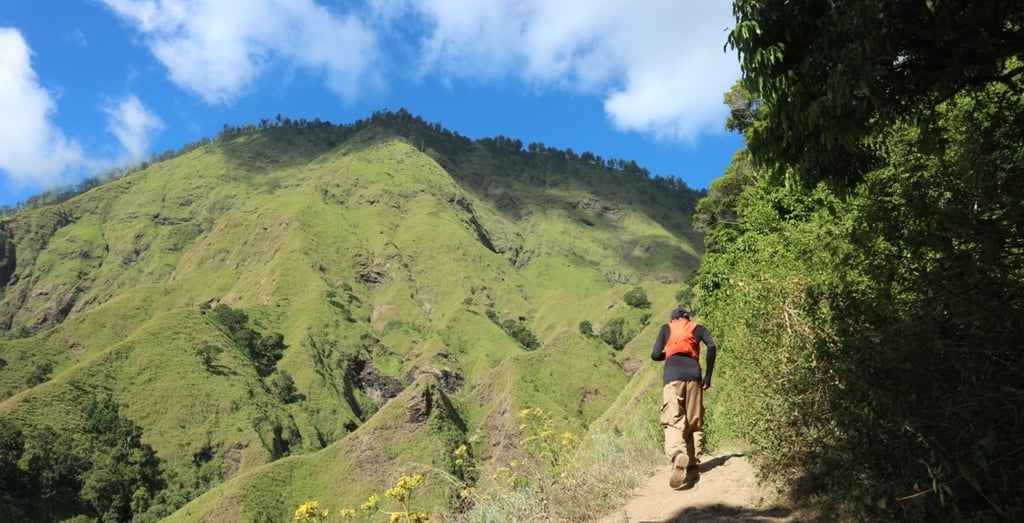
Bukit Sempana (Gunung Sempana) is a prominent peak standing at 2,329 meters above sea level (mdpl). Located in the Sembalun region of East Lombok, it is one of the highest and most physically demanding peaks within the official Sembalun Seven Summits challenge.
1. Trail Difficulty & Overview
Tough Terrain: This trail is not recommended for absolute beginners. It is highly steep, exposed, and physically taxing, making it excellent training ground for Mount Rinjani.
Duration: A typical round-trip hike takes between 4 to 6 hours depending on your physical stamina and backpack weight.
Camping: Trekkers frequently choose to camp overnight on the main ridges to witness the stargazing or sunrise before heading down
2. The Main Trekking Routes
There are two primary routes used to conquer Bukit Sempana, each offering a completely different environment:
Route A: The "Tembok Cina" (Great Wall of China) & Letter Z Route
Characteristics: Extremely long, open, and heavily inclined.
The Experience: This is the most iconic and highly photographed route. It follows a long, steep, narrow mountain spine that resembles a stone wall twisting up the landscape (hence the nickname "Tembok Cina").
Pros/Cons: It offers massive, unobstructed 360-degree views of the valley and Rinjani, but has zero canopy cover. Sun protection is mandatory.
Route B: Via Bukit Nanggi Route
Characteristics: Shaded, heavily vegetated, and more sheltered.
The Experience: This path connects from the neighboring
Bukit Nanggi trail. It transitions through a denser forest ecosystem before merging toward Sempana's high ridges.
Pros/Cons: Safer and more comfortable for those who dislike sheer cliff drops, but has fewer dramatic open viewpoints along the initial climb.
3. Iconic Views from the Summit
Mount Rinjani Frontage: Offers a massive, direct, eye-level gaze at the eastern walls of Mount Rinjani.
Segara Anak Glimpse: On a perfectly clear day, you can see a partial, distant view of the famous
Segara Anak Lake tucked inside Rinjani's caldera.
Sea of Clouds: The peak sits high enough to frequently experience a spectacular morning cloud inversion layer.